
In this current landscape of collegiate sports, anyone who is able to retain a job for more than a full year or two deserves respect.
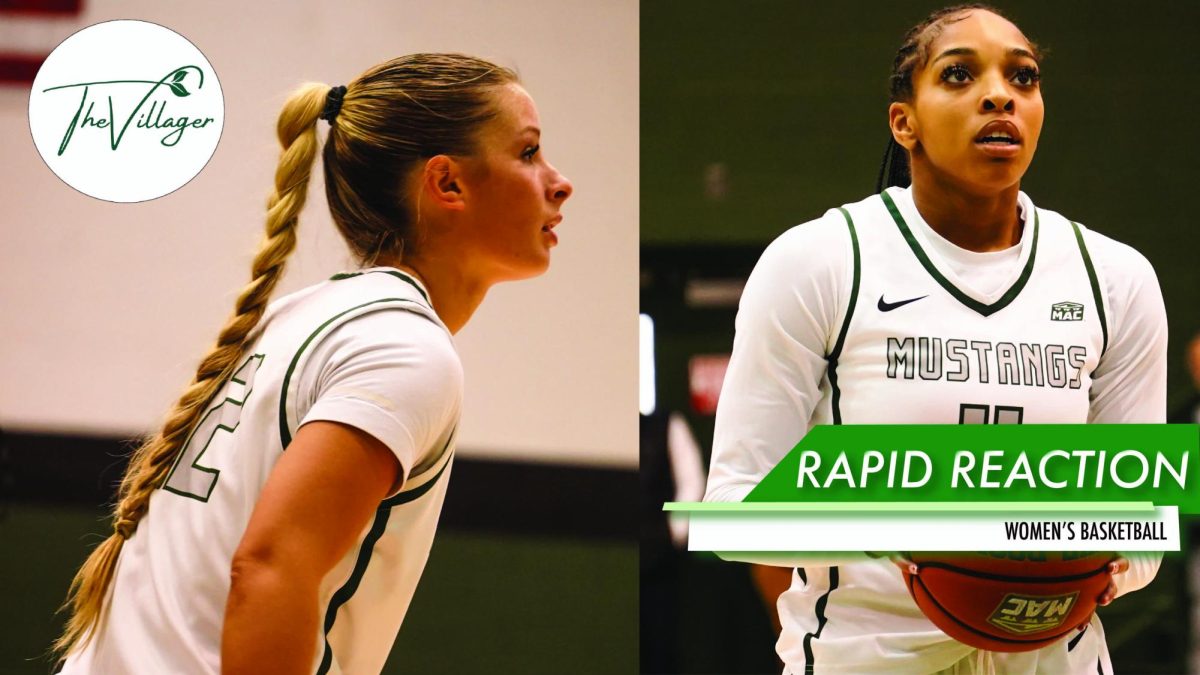
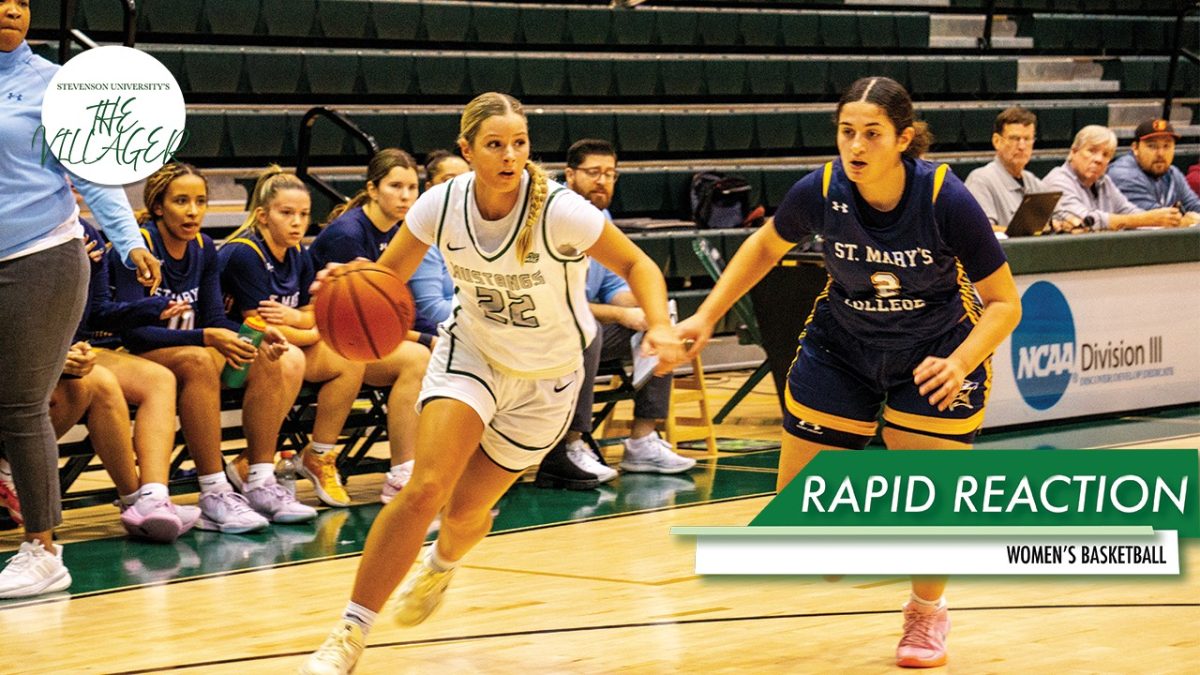
Jackie Boswell, now the associate athletic director at Stevenson, comes off 15 years as the Mustangs’ head women’s basketball coach. She announced earlier this month that she’d step down from that position and take on two titles: “Associate Athletics Director for Compliance and Student-Athlete Development” and “Senior Woman Administrator.”
Before coming to Stevenson, Boswell spent a decade coaching women’s basketball and directing athletics at Seton Keough High School in west Baltimore. Her move away from coaching has made her a little sad.
“I’ve been thinking about it all season,” Boswell said. “I took a little bit of time after the season was over with and talked it over with my family, who’s made a lot of sacrifices over the last 25 years. We felt as a family, it was maybe time for me to refocus.”
Up to March 25, the day of the announcement, she missed a lot of crucial milestones within the family. The overload of responsibilities forced her to dive headfirst into what she directly confronted on the job. In her perspective, being away for even just a little bit of time is a struggle for a parent to deal with. Multiply that angst and lack of presence over the course of 25 years, and it slowly eats away at a person.
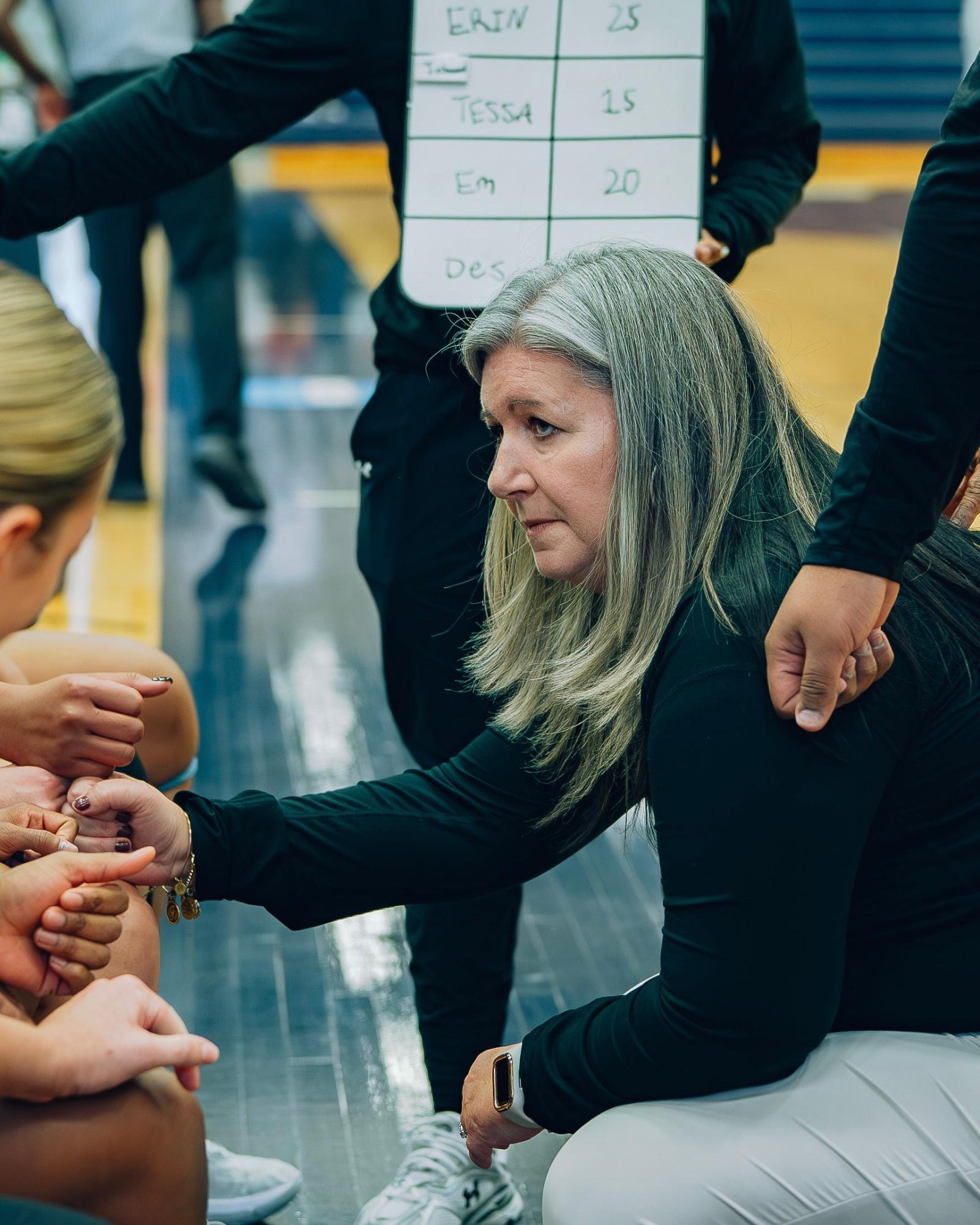
Eventually, the time came for her to tell the women’s basketball team. In previous articles, it has been documented that last season’s 10-15 record was a challenge in regards to consistency and morale. However, this team had been together through all of the turmoil and triumphs. Hearing Boswell’s decision was a little difficult in the moment.
“Losing a coach can be tough for anybody, especially people who have been coached by her for years,” wrote Anaya Price, a sophomore who played guard for Stevenson’s women’s basketball team last season, in an e-mail.
There were a load of seniors who will be moving on through graduation in the later months who populated the team. There were also a nice blend of younger players looking to assert themselves in the moment and down the line. While the scale of each one is defined, Boswell cultivated a connection with each and every one of them.
“As a coach she pushed me to my limits to become the best version of me both on and off the court,” wrote Tessa Boswell, a graduating senior who played forward on the team last season, in an e-mail as well. “She cared deeply about all of us and it showed in many ways, her door was always open for anything we needed.”
In that moment, it felt like it was gone in some fashion. It is a natural emotion to have. However, in each of these moments, there is one thing worth noting.
With the shift into an administrative role, it feels like she can dial back that wear-and-tear of conflicting leadership labels while being there for her family and others who are in need of support. The change is reflective of the direction the athletic department is taking under Jordan Hoover, but it also showcases just how much work Boswell committed to during her tenure.
“In those 25 years, 21 out of [them], I’ve been an administrator, so for me, that was not different,” Boswell said. “I just think that moving forward, if I needed to give something 100% of my attention, I have a lot more life in me as an administrator than a coach.”
It all boils down to spurring these players on the right path to success on and off of any playing surface. Boswell was more than willing to leave that open space for dialogue with all people, even those who were not a part of the team.
It will be a few more months before she can escape the coaching label. The mark of the great ones in collegiate basketball out there is their ability to recruit, and Boswell must immediately focus on retaining the incoming class and other recruits down the line.
“I’m still recruiting for April and May until they find a new coach,” Boswell said. “I want to keep [the recruits] committed. I want to make sure that Stevenson’s face is still at all of these tournaments that are coming up.”
This pressure resulting from coaching vacancies and movement is prevalent across all levels of collegiate athletics. When a student sees a coach depart, and multiple players promptly follow them via the transfer portal or choose to relocate. That dynamic with a coach attracts certain athletes, so maintaining those conversations matters for the short and long term.
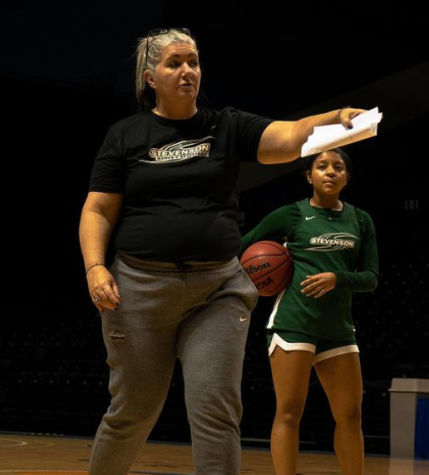
The relationships created will never leave Coach Boswell’s mind as she takes on this new role. She has sent hand-written letters to former players and acquaintances thanking them for their collaboration and contributions to what she’s accomplished since the announcement.
It is about having the greatest impact on the greatest number of people in this administrative state.
“One of the things that interests me is diversity & inclusion and sexual violence on campus,” Boswell said. “Now, I have some time to put more [into it]. I’ve been able to touch on those things because of my role in Compliance, but now, I get to do things that I want to do and not just because I have to enforce them.”
That last piece of the quote is everything: she now guides her own path forward at her own pace. THAT is what set all else into motion as far as this is concerned. These two things have been enforced in ways through some of the existing guidelines in the handbook, including that of the Title IX document. Still, these rules can and have been broken by students before, so putting forth more of a focus and initiative to counteract the issue can be a good thing.
Boswell is learning in real time that just one encounter with another individual allows her to leave a positive mark. It does not even have to be from that of a former player. She spoke glowingly about receiving a letter back from a former men’s basketball player who appreciated how she treated him as if he was a part of her team.
“Wow, that’s what I can do,” Boswell said. “Yes, I’m going to continue to promote the women, but I clearly helped this man as well. I think I can do more of that. That’s been my favorite part about coaching, getting the athletes to whatever the next step is.”
Knowing what she has been able to do before, Boswell looks to continue to help other student-athletes and the general population build their skills to thrive and the bonds to sustain in the real world. The children are not expected to know it all entering the collegiate setting. However, as Boswell has continued to relay these messages and cultivate this mindset in those she has come across, the players become well-equipped for their futures.
“As I transition away from college I think I am well-prepared for whatever is next for me,” Tessa Boswell wrote. “I have been pushed to become a leader under [the coaches’] guidance, and I have life-long relationships with my coaches.”
Any time that the “life-long” label is thrown on such a sentimental concept, you really have to step back and reflect on how you first got there. It is not to say that every single player immediately felt this way about the other person on the first day of practice, or even through the first major altercation they may have had with each other.
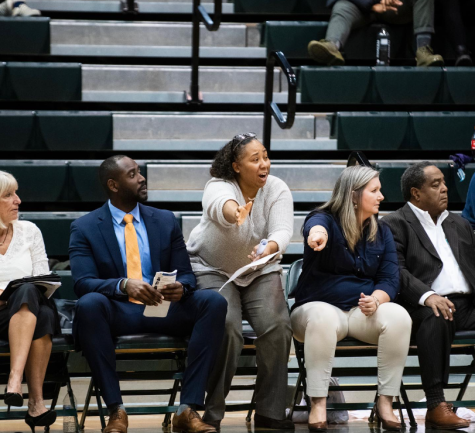
When you think about it, the “next step” for some students is to take that first step and reach out for help if it is needed. It is not easy to do, and it requires time, effort and a sense of trust.
That next step for Boswell is loaded with her own form of work to account for the logistics and the preparation that comes with the administrative job and the finality of securing the recruiting class.
“Right now, the amount of work is motivating me,” Boswell said. “Once we get the ship going in the right way, what’s going to continue to motivate me is to see the young athletes and students succeed.”
This is reality for Boswell now. The mindset of a coach still resides within her, but the experience as an advisor and guide will hold more weight for all parties involved. In this space, at her own volition, she has so much more to give.
Her record:
- 185 wins stands as the most in school history for the sport
- 16 All-MAC Commonwealth selections were tallied during her tenure, and
- under Boswell, the Mustangs reached the Second Round of the NCAA Division III tournament once.
These metrics stand out by themselves, and that is by nature in a way. However, they are part of a larger trend that Boswell stressed throughout the entire conversation and at multiple points last season: progress.
In a landscape for women’s sports (basketball in particular) that is changing at a rapid pace right now, it is imperative for everyone to continue blazing the trail that those who proceeded the players, coaches and other women in position had set in decades prior.
It is just as important to pay respect to those who were by your side. As Boswell alluded to earlier, the success she reached was not possible without the players or other coaches on her staff flanking her and executing those plays in crucial moments.
Her team is just as grateful for all she has done.
“I am grateful for the support she gave me when I transferred in, giving me a great opportunity to play here at Stevenson,” Price wrote.
She begins to tear up as she provides the final word.
“Years down the road, you’re not even going to remember the basketball piece. You’re going to remember the fun things,” Boswell said in reference to what she has told her players before. “I’ve said it for 25 years, but now, it’s starting to come true. We’ve won lots of championships with lots of different players, but that’s not what [people] are talking about. The biggest thing is just the relationship piece, and how grateful I am for all of them.”