

























There is one rule in The Philip A. Zaffere Library quiet room – keep quiet.
However, on April 24, six passionate poets spoke as loudly in the library as they wanted, and nobody dared “shush” them. The reason? They were competing in The Greenspring Review’s annual poetry competition.
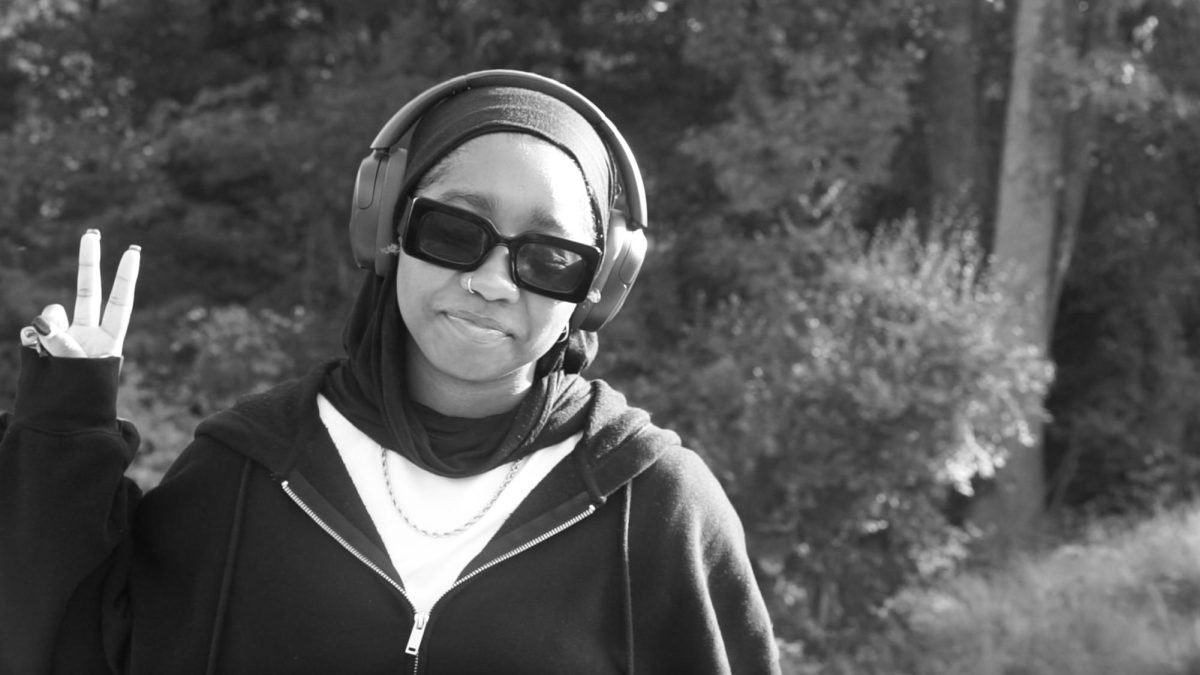
Fourth-year film major Sanaa Liggans placed first in the competition with her spoken word piece “Origin Redefined,” taking home the $100 prize.
Liggans said that the act of sharing personal thoughts and feelings publicly is what makes the spoken word so beautiful.
“Art is nothing if not shared,” Liggans said. “There is always going to be that one person that may relate to your poem.”
Second-place winner and third-year English major Jacob Greene explained that reciting his poem “Chronic” was a great way to exposes himself to others.
“If you can’t stand up in a room of 12 and read something, then you certainly won’t be able to send a manuscript to somebody who has the power to publish it,” said Greene, who also is minoring in film.
But not everyone rhymed alone.
Frist-year nursing majors Raquel Argueta and Angelina Avila both shared their poem “Home” together. Each one of them read a portion of the poem switching between speaking in English and Spanish.
Their goal was to share their cultural connection to El Salvador and Peru. The pair won third place.
“I enjoyed the different poems and all the different personalities that went into these poems,” Argueta said. “Just listening to different people and the way they speak, it was really nice.”
For first-year film major Tyree Smith the act of speaking of sharing his poem “Exquisite Corpse” to an audience was scary. But he still did it with a selfless goal in mind.
“By sharing my poem with other poets my hope is other students can relate with what I am saying,” said Smith, who also minors in English.
The Greenspring Review used the quietest room on campus for students to share their creative works verbally. And students like Liggans felt every word washed in whimsy.
“It’s a craft; it’s an avenue to release emotions,” Liggans said. “But at the same time the people listening benefit because my poems can be interpreted other ways than intended – it is going to be received differently by every person – and that is beautiful.”